


 English
 Español
 عربى
عربى
¿Cómo saber si su filtro de combustible está defectuoso?
Contenido
- 1 Señales de advertencia comunes de un filtro de combustible defectuoso
- 2 Cómo el diseño del elemento filtrante afecta la eficiencia del filtrado
- 3 Materiales de construcción y durabilidad estructural
- 4 Estructura interna de un filtro de combustible con diseño en espiral
- 5 Fuentes típicas de contaminación del combustible
- 6 Guía de mantenimiento y consideraciones de reemplazo
- 7 Acerca de Ningbo Heyuan Auto Parts Co., Ltd.
- 8 Preguntas frecuentes
un mal filtro de combustible Por lo general, se manifiesta a través de la vacilación del motor durante la aceleración, el ralentí brusco, la dificultad para arrancar, la reducción de la eficiencia del combustible o el motor que se cala bajo carga, porque un filtro obstruido restringe el flujo constante de combustible que el motor necesita para funcionar sin problemas. A medida que el filtro de combustible acumula suciedad atrapada, partículas de óxido y otros contaminantes del tanque y las líneas de combustible, el flujo de combustible limpio al motor se estrecha gradualmente y el motor comienza a responder con estas señales de advertencia mucho antes de que se produzca un bloqueo completo. Este artículo explica cómo reconocer un filtro de combustible defectuoso, cómo el diseño del elemento filtrante afecta la eficiencia del filtrado, qué materiales de construcción son importantes para la durabilidad y cómo un filtro de combustible que funcione correctamente protege el rendimiento del motor a largo plazo.
Señales de advertencia comunes de un filtro de combustible defectuoso
El síntoma más frecuente de un filtro de combustible defectuoso es la vacilación o tropiezo del motor durante la aceleración, lo que ocurre porque el motor se queda momentáneamente sin el volumen de combustible que necesita cuando el conductor exige más potencia. También son comunes el ralentí brusco y la pérdida de velocidad a baja velocidad, ya que un filtro parcialmente bloqueado puede permitir que pase suficiente combustible para una velocidad constante, pero no lo suficiente para mantener un flujo constante cuando fluctúa la demanda del motor. La dificultad para arrancar el motor, especialmente después de que el vehículo ha estado parado durante un período de tiempo, puede indicar que la presión residual del combustible ha disminuido debido al flujo restringido a través de un filtro obstruido. Una disminución notable en la eficiencia del combustible es otro indicador común, ya que el sistema de control del motor puede compensar el suministro inconsistente de combustible de maneras que reducen la eficiencia general de la combustión. En casos más avanzados, un vehículo puede experimentar una pérdida total mientras conduce, particularmente bajo carga, como al incorporarse a una autopista o al conducir cuesta arriba, lo que representa una etapa más urgente de restricción del filtro de combustible.
| Síntoma | Causa probable |
|---|---|
| Vacilación durante la aceleración. | Flujo de combustible restringido ante una mayor demanda |
| Ralentí brusco o estancamiento | Entrega de combustible inconsistente a baja velocidad del motor |
| comienzo difícil | Reducción de la presión del combustible residual debido al flujo restringido |
| Reducción de la eficiencia del combustible | Combustión inconsistente por suministro irregular de combustible |
| Parada bajo carga | Restricción severa del flujo debido a una obstrucción significativa del filtro |
Cómo el diseño del elemento filtrante afecta la eficiencia del filtrado
Un elemento filtrante de combustible con una estructura de diseño en espiral se construye utilizando papel de filtro importado de alta calidad doblado en un patrón en espiral, lo que aumenta el área de superficie total disponible para atrapar partículas de impureza en comparación con un diseño de medio filtrante plano. Esta disposición en espiral hace que las partículas de impureza se peguen y se queden dentro de la ranura del papel de filtro a medida que pasa el combustible, en lugar de permitir que los contaminantes pasen directamente a través de una ruta de flujo más corta y menos complicada. Según los datos de rendimiento indicados por el fabricante, esta estructura de diseño en espiral permite que la eficiencia de filtrado del elemento alcance aproximadamente 95 por ciento , que ayuda a proteger los componentes posteriores del motor, como los inyectores de combustible, del desgaste abrasivo que las partículas sin filtrar pueden causar con el tiempo. Debido a que los inyectores de combustible funcionan con tolerancias extremadamente finas, incluso pequeñas cantidades de desechos sin filtrar pueden acelerar el desgaste del inyector, por lo que un elemento filtrante con un fuerte rendimiento de captura de partículas desempeña un papel importante en la preservación de la confiabilidad del motor a largo plazo.
Esta tabla de indicadores representa visualmente la eficiencia de filtrado del 95 por ciento indicada del elemento filtrante de diseño en espiral, con el arco rojo relleno que abarca casi todo el rango del indicador para indicar una alta proporción de captura de partículas en relación con el flujo total de combustible. Una cifra de eficiencia de filtrado en este rango significa que una gran mayoría de las partículas de impureza presentes en la corriente de combustible quedan atrapadas dentro de la ranura del papel de filtro en lugar de pasar al sistema de inyección de combustible del motor. Este nivel de rendimiento es particularmente relevante para vehículos que operan en entornos donde la calidad del combustible puede variar, ya que un elemento filtrante más eficaz proporciona una capa adicional de protección contra la contaminación que llega a los componentes sensibles del motor. El formato del medidor hace que sea fácil ver de un vistazo que la cifra de eficiencia reportada está cerca del extremo superior de la escala de medición, sin implicar que el filtro logre una eliminación completa o absoluta de partículas. Los compradores que evalúan las especificaciones de los elementos filtrantes pueden utilizar este tipo de cifra de eficiencia como un factor entre varios al comparar componentes de filtración para una aplicación específica de un vehículo.
Materiales de construcción y durabilidad estructural
Las partes metálicas de la carcasa y la placa de cubierta del filtro de combustible suelen estar hechas de acero importado de alta calidad, seleccionado por su precisión dimensional y su capacidad para mantener un ajuste preciso y consistente dentro del conjunto de la carcasa del filtro de combustible. Esta precisión dimensional es importante porque una carcasa o placa de cubierta que no sella correctamente puede permitir que el combustible sin filtrar evite por completo el medio filtrante, lo que socava el rendimiento de filtración incluso de un elemento en espiral bien diseñado. La construcción de acero de alta calidad también contribuye a una fuerte resistencia a la rotura hidrostática, lo que significa que la carcasa puede soportar la presión interna del combustible sin deformarse ni romperse, lo cual es una consideración de seguridad importante dado que los sistemas de combustible operan bajo presión continua durante la operación del vehículo. Los fabricantes describen este tipo de construcción como capaz de seguir funcionando de manera confiable incluso en condiciones operativas exigentes, lo que refleja la importancia combinada de la calidad del material y las tolerancias de fabricación precisas en la durabilidad del filtro de combustible.
La forma de color rojo oscuro en este gráfico de radar, que representa un filtro de combustible de diseño en espiral con una carcasa de acero de alta calidad, se extiende más hacia afuera en términos de eficiencia de filtrado, resistencia a la presión, precisión dimensional y durabilidad de la carcasa en comparación con la forma gris que representa una configuración de filtro de medio plano estándar. Esta cobertura más amplia refleja cómo la combinación de una estructura de papel de filtro en espiral y una construcción de carcasa de acero de precisión contribuye al rendimiento en múltiples atributos simultáneamente, en lugar de mejorar solo una característica. La consistencia del sellado muestra una brecha más pequeña entre las dos configuraciones, ya que ambos tipos de filtro generalmente dependen de principios similares de junta y asiento una vez instalados correctamente. La mayor brecha en la resistencia a la presión resalta el beneficio práctico de una carcasa de acero con una fuerte resistencia a la rotura hidrostática, que es particularmente relevante para los sistemas de combustible que mantienen una presión interna continua durante el funcionamiento normal del vehículo. Esta comparación ilustra por qué la eficiencia del filtrado y la calidad estructural de la carcasa a menudo se evalúan juntas en lugar de especificaciones separadas y no relacionadas al evaluar el rendimiento general del filtro de combustible.
Estructura interna de un filtro de combustible con diseño en espiral
El siguiente diagrama isométrico describe los principales componentes internos de un filtro de combustible que utiliza un diseño de papel de filtro en espiral alojado dentro de una carcasa de acero y un conjunto de placa de cubierta.
El componente uno, la placa de cubierta de acero, sella la parte superior de la carcasa del filtro y generalmente incluye el accesorio de entrada donde el combustible sin filtrar ingresa al conjunto antes de pasar a través del medio filtrante. El componente dos, el elemento de papel de filtro en espiral, ocupa la parte central de la carcasa y es donde las partículas de impureza quedan atrapadas a medida que el combustible se mueve a través de la estructura de ranura de papel en espiral descrita anteriormente. El componente tres, la carcasa exterior de acero, proporciona la carcasa resistente a la presión que contiene todo el conjunto y resiste la presión hidrostática generada durante el funcionamiento normal del sistema de combustible. El componente cuatro, el accesorio de salida de base, permite que el combustible filtrado salga del conjunto y continúe hacia el sistema de inyección de combustible, completando el recorrido del flujo a través del filtro. Comprender este diseño interno ayuda a aclarar por qué tanto el diseño del papel de filtro como la carcasa de acero circundante contribuyen conjuntamente al rendimiento general del filtro de combustible, ya que un elemento filtrante bien diseñado alojado en una carcasa inadecuada aún sería vulnerable a problemas de sellado o relacionados con la presión.
Fuentes típicas de contaminación del combustible
Comprender dónde se origina la contaminación del combustible ayuda a explicar por qué un filtro de combustible acumula desechos con el tiempo y por qué la inspección periódica sigue siendo una parte rutinaria del mantenimiento del vehículo. El siguiente gráfico de anillos presenta un desglose general de las fuentes de contaminación comunes analizadas en la literatura sobre mantenimiento automotriz.
Este gráfico de anillos ilustra que los sedimentos y el óxido del tanque generalmente representan la categoría general más grande de contaminación del combustible, ya que los tanques de combustible pueden acumular partículas de óxido y escombros sedimentados con el tiempo, particularmente en vehículos más antiguos o tanques expuestos a la humedad. Los desechos de almacenamiento y manipulación constituyen el segundo segmento más grande, lo que refleja la contaminación que puede introducirse durante el transporte, almacenamiento y despacho de combustible antes de que el combustible llegue al vehículo. Las partículas de desgaste de líneas y bombas representan una fuente de contaminación más pequeña pero persistente, ya que los componentes internos dentro del sistema de suministro de combustible arrojan gradualmente material microscópico a través del desgaste mecánico normal. El polvo ambiental y la humedad constituyen el segmento restante y ingresan al sistema de combustible a través de tapas de llenado, respiraderos o durante el reabastecimiento de combustible en ambientes polvorientos. Juntas, estas fuentes de contaminación explican por qué un filtro de combustible con una fuerte eficiencia de filtrado, como la cifra del 95 por ciento asociada con un elemento de diseño en espiral, desempeña un papel protector continuo durante toda la vida operativa del vehículo en lugar de abordar un evento de contaminación único y único.
Guía de mantenimiento y consideraciones de reemplazo
Generalmente se recomienda la inspección y el reemplazo de rutina del filtro de combustible como parte de los programas de mantenimiento estándar del vehículo, ya que la capacidad de un filtro para atrapar contaminantes disminuye a medida que se acumulan más desechos dentro de la ranura del papel de filtro con el tiempo. Los propietarios de vehículos que noten cualquiera de los síntomas de aceleración, ralentí o arranque descritos anteriormente deben considerar inspeccionar el filtro de combustible como parte de una verificación de diagnóstico más amplia, ya que estos síntomas también pueden superponerse con otros problemas del sistema de combustible, como una bomba de combustible defectuosa o inyectores sucios. Seguir el intervalo de mantenimiento especificado en el manual del propietario de un vehículo y ajustar ese intervalo si el vehículo opera regularmente en entornos con menor calidad de combustible ayuda a mantener un rendimiento de filtrado constante durante la vida útil del vehículo.
- Supervise las dudas en la aceleración, el ralentí brusco o el arranque difícil como indicadores tempranos de restricción del filtro
- Siga el intervalo de reemplazo recomendado por el fabricante para el vehículo específico y el tipo de filtro.
- Inspeccione el sello de la carcasa del filtro y la carcasa de acero para detectar signos de corrosión o daños durante el servicio de rutina.
- Considere la fuente de combustible y las condiciones de almacenamiento al evaluar si se debe acortar el intervalo de reemplazo estándar.
Acerca de Ningbo Heyuan Auto Parts Co., Ltd.
Ningbo Heyuan Auto Parts Co., Ltd. es una empresa comercial y de fabricación especializada en la producción de diversos filtros, con una producción anual de más 50 millones Conjuntos y filtros de filtración. Como fabricante profesional de piezas de filtros para automóviles en China, la empresa adopta tecnología avanzada de moldeo por soplado de plástico, procesamiento de caucho y soldadura, respaldada por un moderno taller de producción y un centro de investigación y desarrollo dedicado. El proceso de producción de la empresa observa estrictamente los sistemas de gestión de calidad ISO/TS16949:2009 e ISO9001:2000, lo que refleja un enfoque estructurado para una calidad de fabricación constante en todas sus líneas de filtros de combustible y productos de filtración relacionados.
Preguntas frecuentes
P1: ¿Cómo sé si mi filtro de combustible está defectuoso?
Los signos comunes incluyen vacilación del motor durante la aceleración, ralentí brusco, dificultad para arrancar, reducción de la eficiencia del combustible y, en casos más avanzados, calado bajo carga, todos los cuales apuntan a un flujo de combustible restringido debido a la obstrucción del filtro.
P2: ¿Qué hace el diseño en espiral en un elemento de filtro de combustible?
La estructura de diseño en espiral aumenta la superficie del papel de filtro y hace que las partículas de impureza se peguen y se queden dentro de la ranura del papel, lo que contribuye a una eficiencia de filtrado de aproximadamente el 95 por ciento.
P3: ¿Por qué es importante el material de la carcasa del filtro?
Una carcasa y una placa de cubierta fabricadas con acero importado de alta calidad proporcionan una alta precisión dimensional y una fuerte resistencia a la rotura hidrostática, lo que ayuda a que la carcasa del filtro mantenga un sello confiable bajo la presión continua del sistema de combustible.
P4: ¿Con qué frecuencia se debe reemplazar un filtro de combustible?
Los intervalos de reemplazo generalmente siguen el programa de mantenimiento del fabricante del vehículo, aunque los propietarios que operan en entornos con calidad de combustible variable pueden considerar inspecciones más frecuentes para mantener un rendimiento de filtrado constante.
Productos relacionados
-
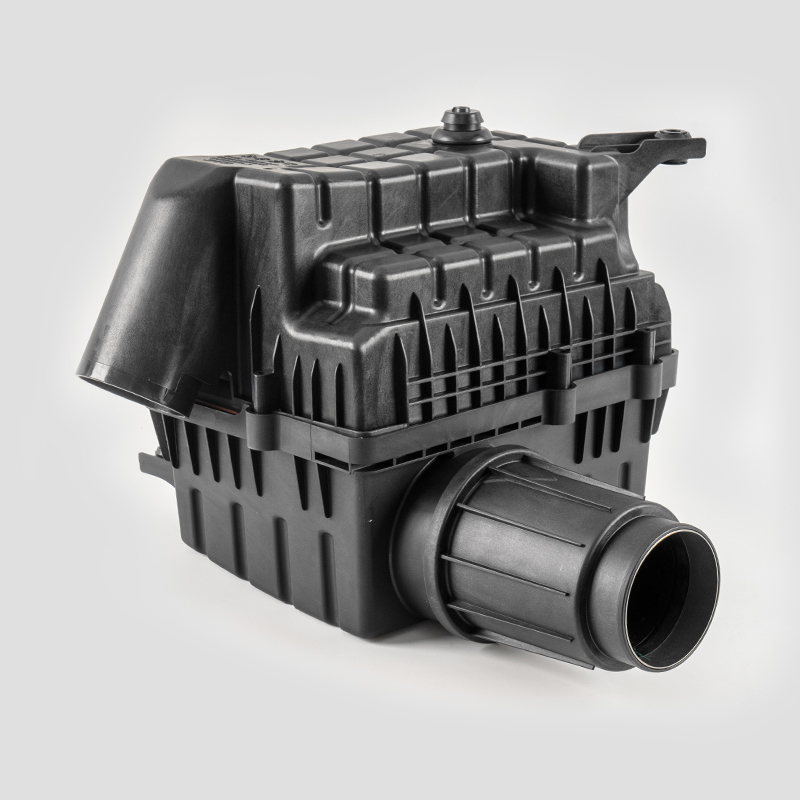
Conjunto de carcasa del sistema de filtración de aire del motor automotriz GAC A57
-

Conjunto de carcasa del sistema de filtración de aire del motor automotriz Great Wall A30
-
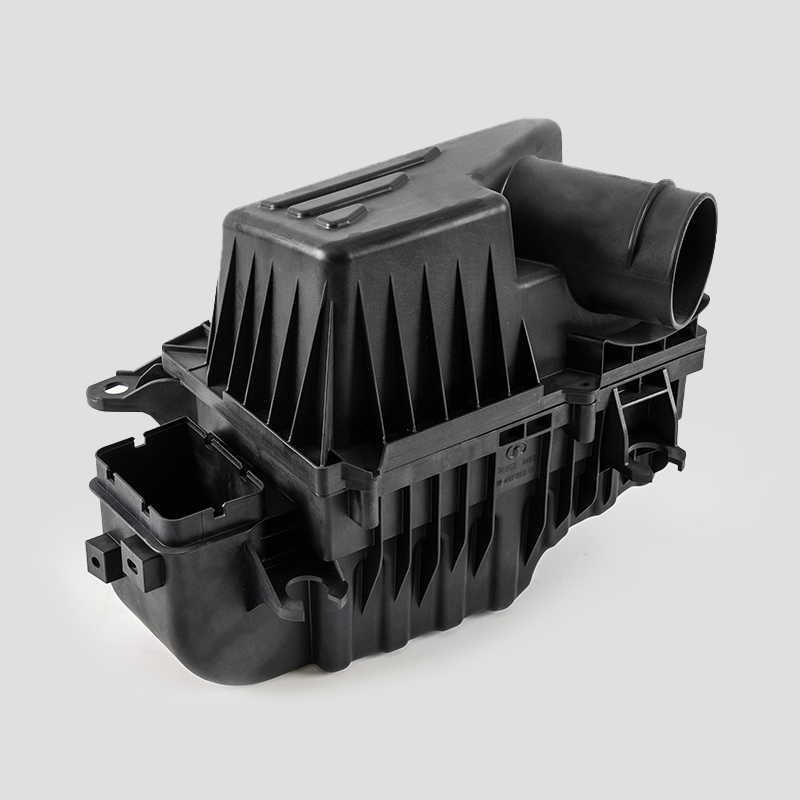
Conjunto de carcasa del sistema de filtración de aire del motor automotriz Great Wall B30
-
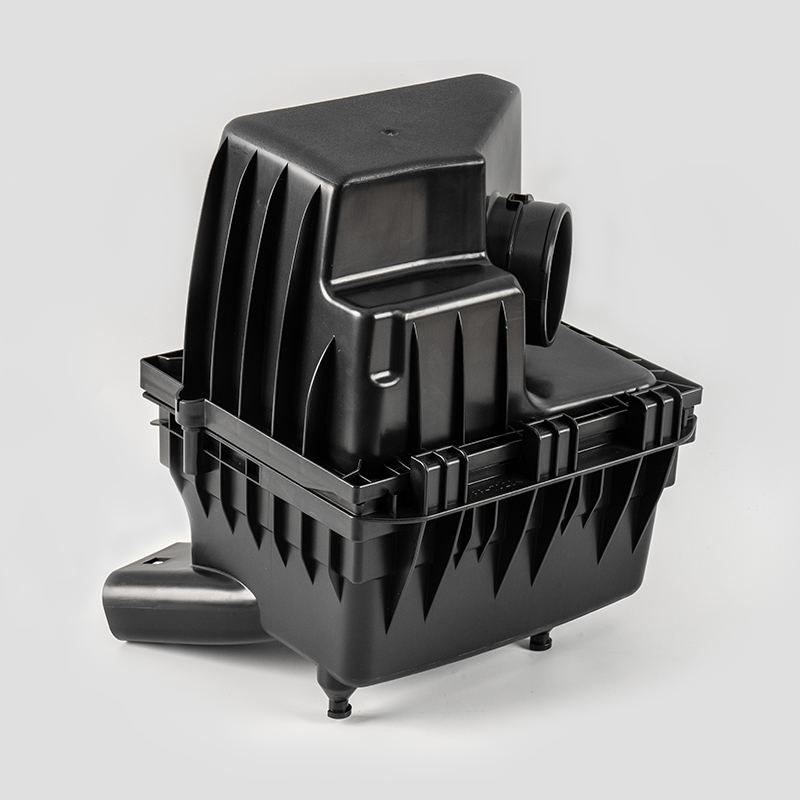
Conjunto de carcasa del sistema de filtración de aire del motor automotriz Great Wall
-
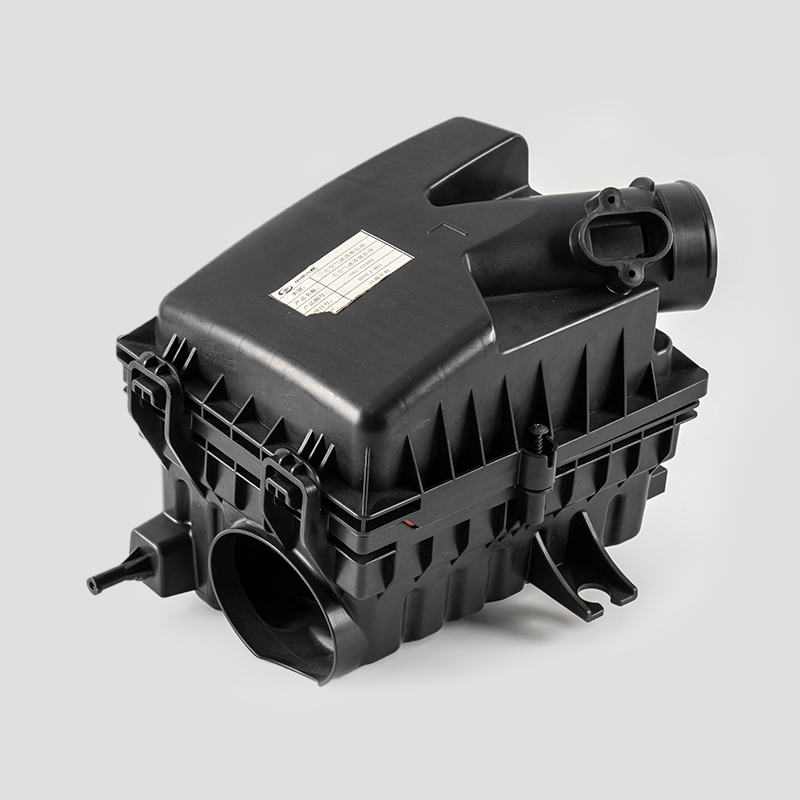
Conjunto de carcasa del sistema de filtración de aire del motor automotriz BAIC
-
Asamblea de vivienda del sistema de filtración de aire del motor automotriz de BAIC SUV



© Ningbo Heyuan Auto Parts Co., Ltd. Derechos Reservados. Empresa de piezas de filtro de automóvil personalizadas Fabricante de piezas de filtro de automóvil OEM/ODM
